


How Online Therapy Can Help You Cope with Anxiety and Depression

Updated: Sep 18
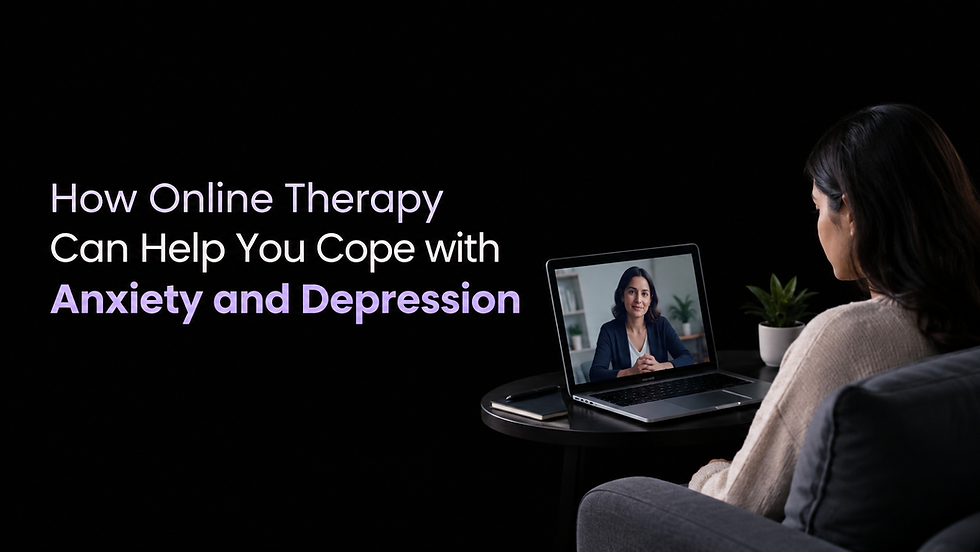
Anxiety and depression can affect how you think, feel, work, sleep, and connect with others. While everyone experiences difficult emotions from time to time, persistent worry, sadness, low motivation, or emotional exhaustion can make everyday life challenging. Professional therapy can provide a safe and supportive space to understand these feelings and develop healthier ways to cope.
With the convenience of virtual sessions, online therapy has made professional mental health support more accessible. Whether you are dealing with ongoing anxiety, symptoms of depression, or both, speaking with a qualified mental health professional can help you work toward better emotional well-being.
Understanding Anxiety and Depression
Anxiety often involves excessive worry, fear, restlessness, difficulty concentrating, or feeling constantly on edge. Physical symptoms such as a racing heart, muscle tension, headaches, and sleep difficulties may also occur.
Depression can involve persistent sadness, loss of interest in activities, low energy, changes in sleep or appetite, difficulty concentrating, and feelings of hopelessness or worthlessness. Anxiety and depression can sometimes occur together, making it particularly difficult to manage everyday responsibilities.
Recognizing these experiences is an important first step toward seeking appropriate support.
How Online Therapy for Anxiety Can Help
Online therapy allows you to connect with a mental health professional through a secure virtual setting without needing to travel to a clinic. This can be especially helpful for people who feel more comfortable receiving support from a familiar environment.
During sessions, a therapist can help you:
Understand the thoughts and situations that contribute to anxiety
Identify unhelpful thinking patterns
Develop practical coping strategies
Learn techniques for managing stress and emotional overwhelm
Improve communication and emotional awareness
Build healthier routines and responses to challenging situations
With online therapy for anxiety, support can be integrated more conveniently into your daily schedule, making it easier to remain consistent with therapy.
How Therapy Can Support Depression
Depression can make even simple tasks feel overwhelming. Professional support can help you understand the emotional and behavioral patterns associated with depression while encouraging gradual, realistic changes.
Therapy may help you:
Recognize negative thought patterns
Explore factors contributing to low mood
Develop healthier coping mechanisms
Improve self-awareness and emotional regulation
Rebuild motivation and confidence
Work toward healthier relationships and routines
Benefits of Online Therapy for Anxiety and Depression
One of the biggest advantages of online therapy is flexibility. You can attend sessions remotely, which may make professional support easier to fit into a busy lifestyle.
1. Convenient Access to Professional Support
Online sessions remove the need to commute to a therapy centre. This can make it easier to attend appointments consistently, particularly when work, studies, family responsibilities, or distance create barriers.
2. A Comfortable Environment
Some people feel more relaxed discussing personal concerns from a familiar environment. Being comfortable during a session may make it easier to openly communicate with your therapist.
3. Greater Flexibility
Virtual therapy can provide more flexibility around schedules. Consistent appointments can help you stay engaged with your therapeutic goals.
4. Personalized Coping Strategies
Everyone experiences anxiety and depression differently. A therapist can help identify your specific concerns and work with you to develop practical strategies that fit your circumstances.
5. Support for Managing Everyday Challenges
Therapy is not only about discussing difficult emotions. It can also help you develop skills for handling stress, relationships, work pressures, self-esteem concerns, and other challenges that may affect your emotional well-being.
What to Expect From Online Therapy
Your first session will generally involve discussing what you are experiencing, what brought you to therapy, and what you hope to achieve. Your therapist may ask about your emotions, thoughts, behaviors, relationships, daily routine, and other relevant areas.
As therapy progresses, you may explore patterns that affect your emotional well-being and learn techniques to manage them. If you choose online therapy for anxiety, sessions may focus on understanding anxious thoughts, managing triggers, and developing healthier responses to worry and stress.
For people experiencing depression, depression counselling online can provide ongoing professional support while exploring factors that may be contributing to persistent low mood or reduced motivation.
When Should You Consider Professional Support?
You do not have to wait until your symptoms become overwhelming before seeking help. Consider speaking with a mental health professional if anxiety or depression is:
Affecting your work, studies, or relationships
Making it difficult to manage everyday responsibilities
Interfering with your sleep or appetite
Causing persistent worry or sadness
Reducing your interest in activities you previously enjoyed
Making you feel emotionally exhausted or overwhelmed
Seeking support early can make it easier to understand what you are experiencing and identify appropriate ways to cope.
Building Better Emotional Well-Being Through Therapy
Therapy is a collaborative process. A therapist does not simply tell you what to do; instead, they can help you understand your experiences, identify patterns, and develop tools that support healthier emotional responses.
For many people, online therapy for anxiety can be a convenient starting point for addressing persistent worry and emotional distress. When anxiety and depression occur together, professional guidance can help you work through both concerns rather than trying to manage everything alone.
Conclusion
Managing anxiety and depression can be challenging, but seeking professional support can make the journey easier. Online therapy offers a convenient and supportive way to understand your emotions, develop healthier coping strategies, and work through everyday challenges. If you are looking for personalized mental health support, Zenup Health is worth considering for compassionate guidance and professional care tailored to your individual needs. Taking the right step toward support can help you feel more understood, build emotional resilience, and gradually regain confidence in managing daily life.


Comments